
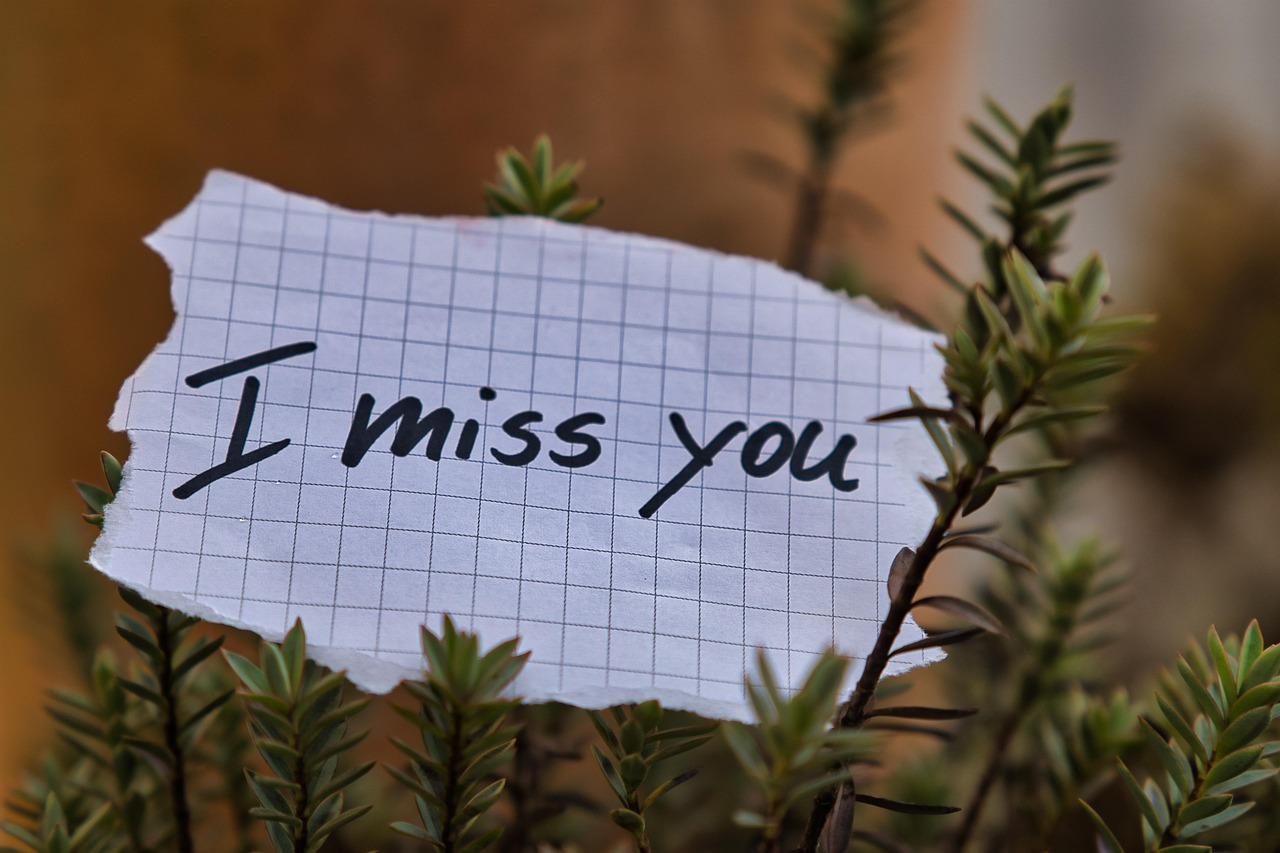

The Weight of the Holidays
The holiday season can feel like an impossible weight for those grieving the suicide of a loved one. Where others see celebration and togetherness, you may see absence and pain. The well-meaning advice, the cheerful decorations, the expectation to be “merry” or “thankful” can all feel impossibly hollow when someone so important is missing from your life. We want you to know: what you’re feeling is valid. Your grief is real. And you don’t have to navigate these holidays the way you did before, or the way anyone else tells you that you should .
Our First Holiday Season After Loss
That first holiday season after losing someone to suicide often feels less like celebration and more like obligation. You may find yourself going through the motions, wearing a smile that doesn’t reach your eyes, feeling profoundly alone even in a room full of people who love you. The world seems to have moved on for everyone else, but your life has shifted into something unrecognizable. The first Thanksgiving and Christmas after the loss of our son to suicide truly felt more like an obligation than something we wanted to do. We had lost our voices, we were struggling to express how we really felt seven months after our son’s death. The world seemed to have moved on for everyone else besides our immediate family. We stumbled through that first holiday season with a mixture of tears and profound grief. It truly was a winter where our life shut down and went dormant. We didn’t take control of those first holidays and we tried to go through the motions like other people wanted us to. We went to Thanksgiving dinner at a relative’s house and tried to pretend that we were thankful and put false smiles on our faces. When Christmas came along, we put up the Christmas tree and cried as we hung the handmade ornaments that our son had made over the years. What had been a cute addition in years past was now a painful reminder of his absence. We discussed if we should hang his stocking by the fireplace with the rest (we did and still do!). We were lost and we knew we had to do something better in the future.
Facing the Holidays Ahead
With Thanksgiving , Hanukkah, Christmas and New Years just around the corner, it is time to think about what you are going to do this year. The truth is, it’s hard to feel happy, merry, or thankful when your heart is breaking. The sadness and pain can be overwhelming. And that’s okay. You don’t need to apologize for your grief or rush through it so others feel more comfortable.
The Hope for Better Days
I always found that the song “Better Days” by the Goo Goo Dolls captures exactly what survivors feel right after losing a loved one to suicide. The song expresses a yearning, not for material things or grand celebrations, but simply for the chance to find better days ahead. That longing is real and valid. You’re not asking for perfection or to feel completely healed by the holidays. You’re just hoping that somehow, some way, the days ahead might be gentler than the ones you’re living through right now. The lyrics read:
And you asked me what I want this year
And I try to make this kind and clear
Just a chance that maybe we’ll find better days
‘Cause I don’t need boxes wrapped in strings
And designer love and empty things
Just a chance that maybe we’ll find better days
The Elephant in Every Room
There’s an elephant in every room now: the absence of your loved one. Some people will want to speak their name and remember them; others will avoid mentioning them altogether. Either way, know that there’s no “right” way for others to handle this. Your job is to take care of yourself, not to manage everyone else’s discomfort.
Practical Steps to Care for Yourself
- Have an honest family conversation first. Before any holiday gathering, talk openly with your immediate family about how everyone is feeling and what you’re each able to handle. Don’t let anyone pressure you to attend events you’re not ready for. It’s completely acceptable if not everyone participates in every gathering.
- Do what gives you strength, not what you “should” do. You know yourself best. What will help you get through these events? That might be different from what others suggest or expect. Trust your instincts. Consider having a trusted friend or “wingperson” at gatherings, someone you’ve talked to in advance who can help you navigate uncomfortable conversations, give you an escape route if you need one, and remind you that you’re not alone.
- Reimagine your traditions. It’s important to understand that trying to replicate past holidays without your loved one often makes the pain worse, not better. Give yourself permission to do something completely different. Consider a Thanksgiving breakfast instead of a big dinner. Host a dessert and coffee gathering after main events. Go out to a restaurant. Have a quiet day at home. Create a photo display and invite stories. Meet family for shorter visits instead of full-day commitments. Your traditions can evolve, and that evolution honors your new reality.
- Remember it’s only 24 hours. So many survivors spend weeks dreading a single day. Be gentle with yourself and remember that no matter how hard the day is, the sun will rise again tomorrow. You will get through it.
- Have a Plan B ready. You might wake up on the morning of an event and realize you simply don’t have the emotional or physical strength to follow through with your original plans. That’s not failure. That’s survival. Having a backup plan, whether it’s a quiet walk, a visit to a place of worship, or time at a meaningful location, gives you permission to change course without guilt. People understand you’re grieving, and they’ll understand if your plans change.
- Avoid hosting if possible. If you’re in your own home and become overwhelmed, it’s difficult to step away for a quiet moment. Let someone else shoulder the hosting responsibilities this year. You deserve the space to grieve without also managing a household full of people.
Honoring and Remembering
- Create a meaningful way to honor the missing. Some families have a formal recognition around the table. Each person shares a positive or funny memory of the person they’re missing. Others create a remembrance jar with written memories. Some set a place at the table with a photo or lit candle in honor of their loved one. Choose what feels right for your family’s healing. There’s no single “correct” way to remember; what matters is that you’re acknowledging the absence and honoring the life that was.
Educating Others
- Educate your loved ones in advance. Send an email or have a conversation with family and friends before the gathering. Share how you’re doing, explicitly invite them to speak your loved one’s name, and help them understand what you need to get through the event. Many people want to help but simply don’t know how. This is an opportunity to guide them with love and rebuild connections with those who truly want to support you.
Additional considerations for your wellbeing:
- Avoid alcohol and other substances during these events. You need your full capacity to manage your emotions and respond thoughtfully when someone says the wrong thing. Drinking can amplify grief and isolation.
- Set boundaries with people who are insensitive. You don’t owe anyone your energy or your pain. It’s okay to remove yourself from conversations that feel harmful.
- Consider grief-focused activities on or around the holidays: journaling, visiting a cemetery, writing a letter to your loved one, or creating art that expresses your feelings.
- Connect with other survivors of suicide loss if possible. Being understood by someone who truly gets it can be profoundly healing. International Survivors of Suicide Loss Day is held the Saturday before Thanksgiving every year.
- Schedule time alone for self-care. A quiet bath, a favorite meal, time in nature, whatever replenishes you.
- Keep a list of people you can call if you’re having a hard moment. Don’t hesitate to reach out.
You Are Surviving
This holiday season may look different from what you imagined. It will likely be hard. There may be moments of unexpected laughter alongside tears, and that’s beautifully human. Your grief doesn’t make you weak. It reflects the depth of your love for the person you lost. The holidays will come and go. Your loved one is no longer here to share them with you, and that is a profound loss that deserves to be acknowledged and mourned. But here’s what we want you to hold onto: You are surviving. You are showing up for yourself, even when it’s incredibly hard. And that takes tremendous courage. The holidays will come again next year, and the year after that. And with each one, you may find small moments of peace settling alongside your pain. The sharp edges of grief gradually soften, not because you’ve forgotten or because the loss matters less, but because you learn to carry it differently. One day, you may find yourself smiling at a memory without the smile being immediately followed by tears. That day will come.
For now, be kind to yourself. Do what works for you. Honor your loved one in the way that feels right. And know that in the quiet moments and the connections you forge with others who understand, you are finding your way through. You deserve to survive these holidays with grace and self-compassion. And you deserve to believe that better days are ahead.
Other Posts You May Also Find Helpful
- Navigating Holiday Greetings After Suicide Loss – Understanding why phrases like “Happy Thanksgiving” can feel painful and how to respond when holiday greetings trigger grief.
- Christmas Cards After Suicide Loss: When Holiday Greetings Feel Impossible What do you write? Who do you send them to? What do you do when one arrives addressed to the person you lost? A practical guide to navigating holiday cards after suicide loss.
- International Survivors of Suicide Loss Day – Learn about this special day held the Saturday before Thanksgiving, where survivors gather for connection and understanding.
- Navigating Halloween After Suicide Loss: The Mask We Wear – The holiday season’s opening act deserves its own deeper treatment, and this post gives Halloween the full guide the broader overview cannot.
- Ritual and Remembrance – Creating meaningful rituals to honor the person you lost during holidays and special occasions.
- Dealing with Difficult Questions After a Suicide Loss – Managing insensitive comments and questions that often arise at holiday gatherings with extended family.
- Communicating About Your Grief Journey – Having conversations with family about your needs and boundaries before holiday gatherings.
- Fourth of July After Suicide Loss: Getting Through the Holiday – Ten practical ways to navigate America’s 250th birthday celebration when you are carrying a suicide loss.
- Labor Day After Suicide Loss: Reconnecting When You Feel Stuck – The first weekend in the long string of holidays this guide covers, with a deeper personal look at the specific dissonance of end-of-summer gatherings.

Leave a Reply