
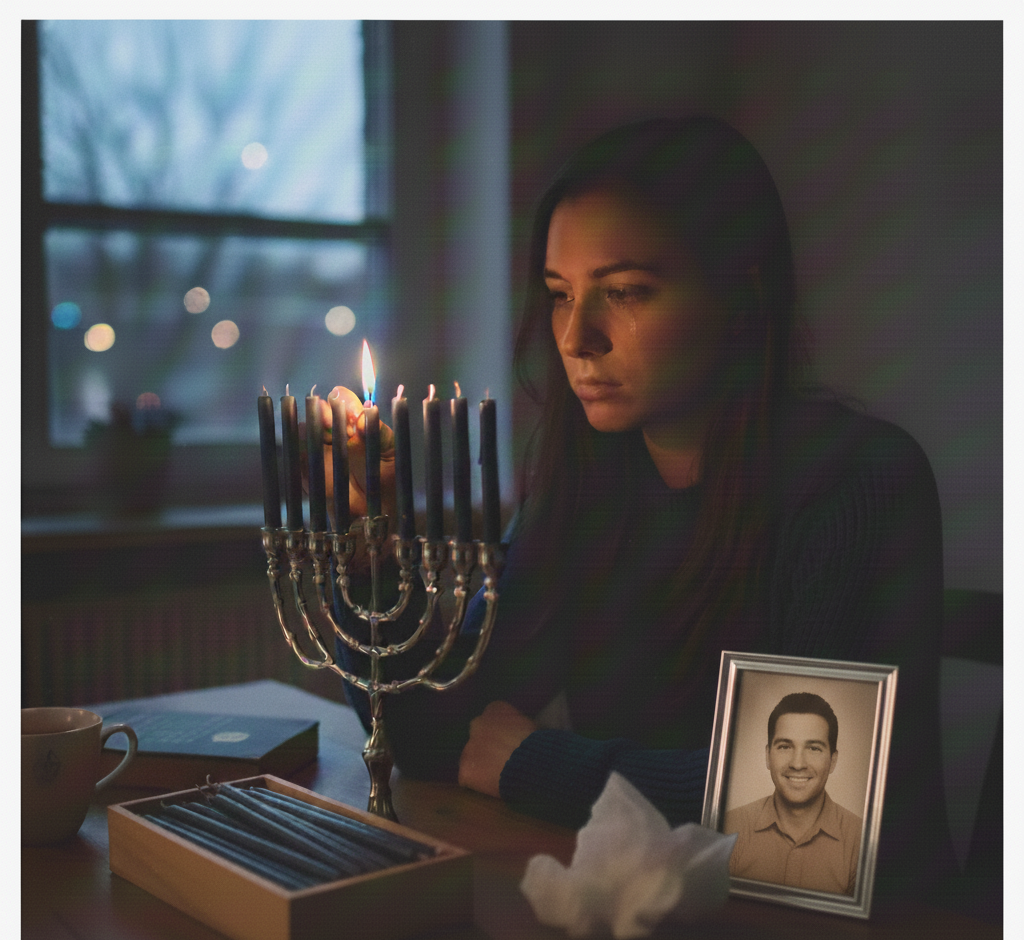

The Festival of Lights may feel impossible when you’re living in darkness after suicide loss. Hanukkah celebrates light persisting against all odds, miracles, and family gatherings. When you’re drowning in grief, these themes can feel like salt in a wound. You needed a miracle too .
But here’s something important that I have learned, the anticipation of this and most holidays, is often worse than the actual experience. Right now, you might be dreading every moment of the eight nights ahead. That dread is real and valid, but it’s also possible that some moments will surprise you. Not with joy, necessarily, but with manageable quiet. With small connections. With the realization that you made it through another candle lighting. The reality of Hanukkah may turn out gentler than the fear of it.
I lost my son John to suicide on April 10, 2009, during Easter week, which is also a family-oriented holiday with meals, stories, games with children, and Easter baskets. Down through the many years since my loss, I have facilitated SOS Madison, and I’ve walked alongside many Jewish survivors navigating Hanukkah after their suicide loss. I understand the pain of holidays celebrating hope when you’re barely surviving. I also know that some of those holidays I dreaded turned out different than I feared. Not easy, but survivable. Sometimes even bearable.
The expectations around Hanukkah (gathering with family, celebrating light over darkness, teaching children about perseverance) can feel overwhelming. While Jewish tradition provides structure for grief (Yizkor, yahrzeits, Kaddish), Hanukkah focuses on joy and celebration. Grief and celebration can be hard to grasp at the same time.
If this is your reality right now, you’re not alone. There’s no “right” way to observe Hanukkah while carrying this grief. And it might not be as unbearable as you fear.
The Menorah: What Others Have Done
For many families, the menorah is Hanukkah’s central symbol. Through facilitating SOS Madison (a support group for suicide loss survivors) for over 14 years, I’ve seen and heard how people navigate Hanukkah’s traditions in many ways.
Some can’t bear to take their menorah out that first year. The shamash (helper candle) lighting all the others feels like a metaphor for failing to bring light to their loved one’s darkness. Others buy a new menorah and dedicate it to their person’s memory, placing it in the window as a public statement that they’re still here, still seeking light.
People have found meaning in tzedakah (charitable giving), making donations to suicide prevention organizations each of the eight nights, transforming pain into action. Some invite the person’ they lost close friends over for one night to share memories. Others attend family gatherings for a few nights and spend other nights alone, lighting candles where they can say their person’s name freely.
All of these responses are valid. Your grief doesn’t have to conform to tradition.
When “Happy Hanukkah” Hurts
People will greet you with “Chag Sameach” or “Happy Hanukkah,” and each greeting can remind you how not-happy you are. They’ll talk about their excitement for gatherings, their children’s anticipation, and at the same time you might feel like screaming.
You might hear people reference the miracle of light, the importance of faith, lessons about perseverance. If you’re struggling with your faith (and many survivors do), these messages can feel cruel. Where was the miracle when your loved one needed it?
People may offer platitudes: “They’re in a better place,” “Everything happens for a reason.” Judaism actually has a rich tradition of arguing with G-d, of questioning, of sitting in grief without rushing to meaning. You don’t have to accept these easy answers if they don’t bring comfort.
Some survivors find it helps to skip the “Happy” and simply say “Chag Hanukkah” or “Thank you.” Others tell people honestly, “This is a difficult time for us.” You might step away from conversations that feel painful, or set boundaries around conversations that doesn’t honor your reality. Whatever feels right to you is okay.
The Empty Chair
Whether you’re hosting latke parties, family dinners, or Shabbat meals during Hanukkah, the missing presence is everywhere. The games of dreidel they’ll never play, the latkes they’ll never taste, the songs they’ll never sing or the gelt that can’t be shared.
The first year, the empty space might feel unbearable. In later years, some families light a candle in their memory before the menorah lighting, tell stories about past Hanukkahs, make their favorite foods, or donate to causes they cared about. There’s no timeline for figuring this out.
Wrestling with Faith
Judaism makes space for doubt and struggle. The very name “Israel” means “one who wrestles with G-d,” from Genesis 32:28 when Jacob wrestled with G-d through the night and refused to let go until he received a blessing. Even in his struggle, he was faithful.
I struggled with my own faith. After losing my son, I stood at the Western Wall in Jerusalem, wore a kippah out of respect, and tucked a rolled-up kvitel (prayer slip) into those ancient stones, looking for answers and healing. I prayed at one of the holiest places on earth, and still came home carrying unbearable loss. The answers that I got that day were not what I had expected.
After suicide loss, survivors wrestle with profound questions: Where was G-d when my loved one was suffering? Why didn’t prayers work? What does it mean that Hanukkah celebrates miracles when no miracle came? These questions are normal, and valid. Struggling with faith after trauma isn’t weakness.
Your connection to Judaism might deepen or fracture. Traditional prayers might feel empty or become a lifeline. Judaism has always made room for the faithful doubter, the one who shows up while questioning everything.
Surviving Eight Nights of Gatherings
Hanukkah isn’t one day, it’s eight nights. Eight opportunities for painful interactions, eight evenings of navigating family dynamics while grieving and eight evenings filled with unanswered questions.
Things that might help before Hanukkah:
- Consider which gatherings you can handle and which you might skip
- Talk with your immediate family about what feels manageable
- Think through exit strategies if you need them
- Prepare a few responses for difficult questions
- Identify one person who understands and can be your ally
During gatherings, you might:
- Give yourself permission to leave early if needed
- Take breaks when you need them (step outside, sit in a quiet room)
- Be mindful about alcohol, which can intensify emotions
- Choose not to participate in traditions that feel too painful
- Keep responses simple: “This is hard for me” is enough
If difficult moments arise, here are some possible responses:
“They’re lighting the menorah in heaven now” → “That’s not comforting to me. They should be here.”
Family criticizes your grieving → “Everyone grieves differently. This is what I need.”
People avoid mentioning your person → “I’d appreciate if we could include [name] in our memories.”
Intrusive questions about the suicide → “I’m not comfortable discussing that.” (For more strategies on handling difficult questions after suicide loss, including how to protect your boundaries while maintaining relationships.)
Extended family expects you to host → “We’re doing things differently this year.” Here are some ideas on how to talk to your family about your feelings.
Traditions That Hurt and Help
Not all Hanukkah traditions will feel the same after suicide loss. Lighting the menorah, games and children’s activities, gift-giving, and traditional foods might trigger painful memories. Consider lighting just the shamash and first candle, skip some nights entirely, order prepared foods instead of cooking, or ask someone else to handle traditions you can’t face.
Some survivors find meaning in the shamash as metaphor (your person brought light to your life and still can), tzedakah in their name each night, lighting a memory candle before the menorah, or creating modified traditions that honor both grief and their memory. You don’t have to choose between preserving all old traditions and abandoning everything.
Finding Support in Community
Jewish communities can provide structured mourning rituals shiva (the seven day mourning period), ongoing Kaddish recitation, meals during difficult times, and annual remembrance through yahrzeits. For more information about Jewish mourning practices and rituals, My Jewish Learning offers comprehensive guides. Since Hanukkah is a minor holiday (not a High Holy Day), most celebration happens at home rather than formal services, which means no obligation to attend temple but also means intimate family settings where grief is most acute.
Communities can also have unrealistic expectations about resilience, avoid mentioning suicide due to stigma, and emphasize joy in alienating ways. Look for others who have experienced loss, compassionate leaders who make space for doubt, or suicide loss support groups where people truly understand. Navigating social connections after suicide loss requires finding people who can sit with you in your pain without trying to fix it.
Surviving the Eight Nights
Night One might be hardest. The single candle emphasizes the darkness. Just surviving is enough.
Nights Two-Three: Gatherings may start, questions get asked. It’s okay if you need to leave early or skip entirely.
Middle Nights: Fatigue catches up. You might need to take a complete break.
Night Eight: All candles burning. This might feel significant, or just relief it’s over. Both are valid.
Things that might help: Light candles (if you’re able) then do whatever you need, keep gatherings short, have exit plans ready, be mindful about alcohol, check in with your limits, plan self-care each day, lower all expectations.
If you’re in crisis: National Suicide Prevention Lifeline: 988 | Crisis Text Line: Text HOME to 741741
Holidays can intensify grief and suicidal thinking. If you’re struggling, please reach out.
You Have Permission
You have permission to skip Hanukkah entirely, light candles some nights and not others, avoid gatherings or leave early, not feel the miracle, question your faith, cry during blessings, change every tradition, do nothing for eight nights, grieve instead of celebrate, say no to expectations, and protect yourself in whatever way you need.
You are not required to be strong for others, make others comfortable with your grief, participate in celebrations, feel grateful or hopeful, find meaning, light the menorah, attend events, host dinners, smile through pain, or pretend you’re okay.
Hanukkah is eight nights. Just eight nights. Your grief doesn’t take a break for holidays, and you don’t have to pretend it does.
It Gets Different
I won’t tell you it gets better. What I will tell you is it gets different. The weight changes, not less heavy but differently distributed. You learn to carry it better and find moments where the light brings warmth instead of only pain.
For some, the menorah eventually becomes a way to feel connected. The tradition of increasing light mirrors slow healing. For others, Hanukkah remains difficult every year. They find meaning in different holidays or step away from organized religion. Both paths are valid.
The miracle of Hanukkah is that after the Temple was defiled, people returned to clean it, rededicate it, and light the flames again. They did the work of rebuilding while carrying loss and trauma. You are doing that same work. That’s the miracle, not that it doesn’t hurt, but that you’re still here, still breathing, still lighting candles even when you don’t feel the light.
You’re Not Alone
There are almost 50,000 suicide deaths each year in the US. Thousands will navigate Hanukkah this year while grieving suicide loss. You’re not the only one struggling to say blessings through tears, sitting at a table with an empty chair, questioning why there was no miracle.
Jewish tradition teaches that mourners say Kaddish in community because grief is too heavy to carry alone. If you can, try to find your people—support groups, online communities like Alliance of Hope, therapy, trusted friends—and let them help carry the weight. AFSP offers additional resources for navigating holidays after suicide loss. There are articles that discuss the healing power of saying Kaddish after a suicide.
This grief you carry reflects the love you have. Your person’s life mattered. Their absence changes everything, and you don’t have to pretend otherwise. Be gentle with yourself as you figure out what lights your way forward, whether that’s tradition, modified ritual, new practices, or simply getting through each day.
Hanukkah lasts eight nights. This grief might feel like it will last forever, but it won’t always be this acute, this overwhelming. The light increases, one small candle at a time. You’re allowed to grieve while others celebrate. You’re allowed to struggle with faith while holding on to tradition. You’re allowed to do Hanukkah your way, or not at all.
You’re going to survive this, one night at a time. I believe that, even if you don’t yet.
Chag Hanukkah. May you find moments of light in the darkness, and may the memory of your loved one be a blessing.
Other Posts You May Also Like
Navigating Holiday Greetings After Suicide Loss Understanding why phrases like “Happy Hanukkah” can feel painful and how to respond when holiday greetings trigger grief.
Judaism and Suicide Loss: Providing Specialized Support for International Survivors of Suicide Loss Day Learn about this special day held the Sunday before Thanksgiving, where Jewish survivors gather for connection and understanding.
Dealing with Difficult Questions After a Suicide Loss Navigate intrusive questions and insensitive comments with compassionate strategies for protecting your peace and honoring your grief.
When the World Keeps Turning: Navigating Social Connections After Suicide Loss Practical advice for managing relationships and social situations when others don’t understand your grief, including how to set boundaries.
Finding Your People: The Healing Power of Suicide Loss Support Groups Learn how connecting with others who truly understand suicide loss can provide the support and validation you need during difficult times.

Leave a Reply